Washington

Overview
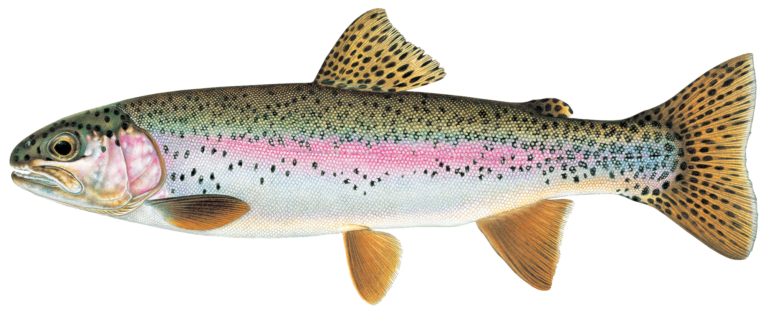
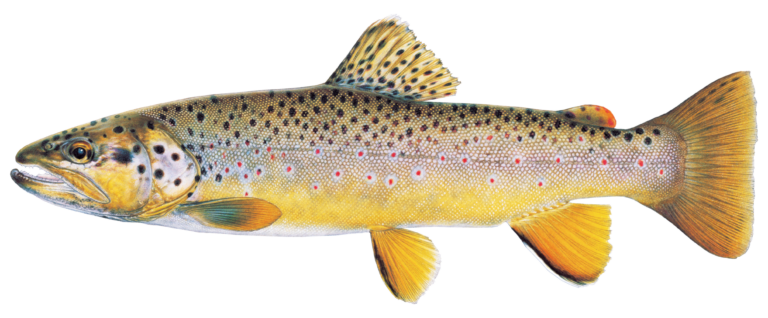
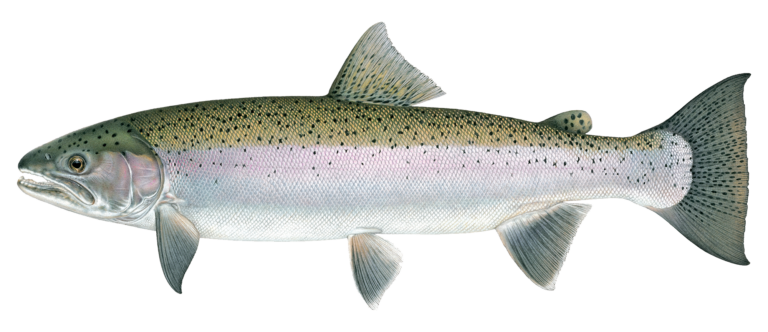
Washington is home to five species of Pacific salmon, summer and winter steelhead, a wide range of resident and anadromous trout. They course through waters flowing through coastal rainforests, the rivers of the Puget Sound, tributaries of the mighty Columbia, and the Lower Snake. These keystone species are fundamental to Washington’s cultural heritage and ecosystems. Today, barriers to migration, habitat degradation and loss, overallocation of water, and overfishing have driven many of these populations to the brink. Too many stocks are gone entirely. In Washington, TU staff and grassroots are working side by side to protect and rebuild these fish and rivers. On the Olympic Peninsula, the dams were removed on the Elwha River and we are watching the fish return. It is a powerful testament to the resilience of nature and a reminder of why we work so hard for these watersheds and their native fish.
Fish We're Protecting






Threats & Opportunities
Washington’s salmon and trout, whether they live in a glacial-fed coastal river or an inland stream flowing through drier Ponderosa forests, need open migration corridors to their spawning and rearing habitat, consistent sources of cold, clean water, fishery, and intact, complex, high-functioning habitat. Climate change only adds urgency to protect, reconnect, and restore these coldwater ecosystems.


What We’re Accomplishing
Reconnecting Salmon and Steelhead Habitat
In the Chehalis Basin, we have reconnected 14 miles of high-quality salmon and steelhead habitat and are using low-tech, process-based restoration techniques to improve key tributaries. We are also assessing 30 miles of streams to prioritize habitat and floodplain restoration that will benefit native fish and help reduce downstream flooding in vulnerable communities.
Restoring Rivers on the Olympic Peninsula
On the Olympic Peninsula, we are leading one of TU’s largest habitat restoration efforts nationwide. Working with state and federal agencies, Tribes, conservation organizations and local contractors, we have mobilized more than $40 million for restoration in the Hoh, Queets, Quillayute and Quinault watersheds. Our projects aim to restore fish passage at 10 culvert barriers, improve salmon and steelhead habitat and reconnect floodplains along 10 miles of streams, and restore more than 130 acres of riparian forest.
Harnessing Beavers to Restore Streams
In the Upper Columbia Basin, our nationally recognized Wenatchee-Entiat Beaver Project uses nature-based restoration to improve stream health. We have relocated 60 beavers and implemented process-based restoration projects that increase water storage, create coldwater refuges and improve critical salmon and steelhead habitat during drought.
Improving Streamflows in the Yakima Basin
Through the Yakima Basin Integrated Plan, we are helping restore fish populations while supporting reliable water supplies for agriculture and communities. We helped remove a major fish passage barrier at the Yakima-Columbia confluence and pioneered water leasing and permanent water transactions that now serve as a statewide model for water conservation during drought.
Advancing Fish Passage at Enloe Dam
Working with Tribal partners, we are advancing plans for the potential removal of Enloe Dam on the Similkameen River. The dam blocks federally protected spring Chinook salmon and summer steelhead from accessing more than 1,500 miles of coldwater spawning and rearing habitat. A multiyear study concluded that dam removal is both feasible and affordable, marking a major step toward reconnecting the watershed.
How You Can Help
Volunteer with the Barrier Assessment Team and connect with your local chapter.
VolunteerConnect with Wild Steelheaders United.
LEARN MORESupport the last best chance to recover Pacific salmon in the Snake River.
TAKE ACTIONStay connected by following us @tuwestcoaston Instagram.

Washington Conservation Team

Crystal Elliot
Washington State Director
crystal.elliot@tu.org
Washington State Director
crystal.elliot@tu.org

Priority Waters

-
Olympic Peninsula
Encompassing the Quillayute, Hoh, Queets/Clearwater, Elwha, and Quinault watersheds, TU is working directly with tribes and partners to rebuild wild steelhead and salmon stocks by reconnecting and restoring critical spawning and rearing habitat. We are advocating for fishery management that establishes conservation-minded regulations and reduces hatchery impacts to allow for rebuilding wild fish populations while providing sustainable fishing opportunities. On the Elwha River, we’re supporting new scientific research and learning from the river’s ongoing recovery following dam removal, lessons that inform and guide improved fishery management, and future river reconnection and fish recovery efforts.
-
Chehalis
Across the Chehalis Basin, TU is partnering with local tribes, agency staff, non-profit organizations, and community members to accelerate the scope and scale of watershed restoration efforts. Our restoration projects are focused on increasing habitat connection and quality for multiple life stages of wild salmon, steelhead, and cutthroat trout populations. We are also working to ensure that the Chehalis Basin flood strategy incorporates all relevant scientific research and considers aquatic habitat and community effects as it evaluates the proposed flood retention facility, local actions, non-dam alternative, and Skookumchuck dam study.
-
Nooksack River
The Nooksack River enters Puget Sound near the Canadian border. It still supports all five species of Pacific Salmon, winter steelhead, and relatively robust populations of Bull Trout and Dolly Varden. The North Sound Chapter of TU has led an extensive citizen science eDNA study to determine the habitat of native salmonids and Pacific Lamprey. We are advocating for habitat restoration investments, working to improve the scientific basis for fishery and hatchery management in the watershed, and supporting efforts to designate the Nooksack as a Wild and Scenic River.
-
Skagit
The largest watershed in Puget Sound, the mighty Skagit, is home to all five species of Pacific Salmon, native char, and an iconic run of winter steelhead. Our advocacy is focused on ensuring resources for critical spawning and rearing habitat restoration work in tributaries, side channels, and the estuary, improved flow management, science-based escapement goals, and conservation-minded fisheries focused on rebuilding wild winter steelhead and salmon numbers and permanently establishing the Skagit as a wild steelhead stronghold.
-
Lake Washington / Lake Sammamish
At the heart of one of Washington’s most diverse population centers, TU is working to improve stream reconnection and restoration, diversifying the natal streams for kokanee salmon, conducting research to fill key knowledge gaps for parasites and disease impacting native salmon and trout, and advancing aquatic weed management as a salmon conservation tool in the basin. Through our coordination of USFWS’s Lake Sammamish Urban Wildlife Refuge Partnership (UWRP) we are engaging new audiences from the Seattle metro area to grow the UWRP, expand our impacts, and connect local communities to watershed conservation.
-
White River
The Snoquera Project is the Forest Service’s landscape-scale aquatic restoration initiative in the Mount Baker – Snoqualmie National Forest. Working with partners at federal and state agencies, other conservation organizations, and local tribes, TU is leading the effort to repair fish passage barriers, decommission harmful roads, and reconnect acres of floodplain habitat for anadromous and resident fish, especially Spring Chinook, across the upper White River watershed. Working in partnership with the Forest Service, TU volunteers on the Barrier Assessment Team have been evaluating fish migration barriers, a crucial data collection effort helping to prioritize high-impact barrier removal projects.
-
Methow
In this key Columbia Basin tributary flowing out of the North Cascades, TU is restoring habitat, protecting instream flows, and working with partners to establish basin-wide conservation goals and healthy forests on behalf of native salmon, steelhead, lamprey, and resident trout species. Habitat projects on private and public lands are focused on efforts to restore complex side channel habitat, cold water refuges, and access to spawning reaches. Instream flows on priority natal streams, such as Beaver Creek and the mainstem Methow River, are being ensured through water transactions, cooperative agreements, and irrigation improvements to balance agricultural and domestic water demand for more resilient communities and fisheries.
-
Okanogan
In Washington’s upper Columbia Basin, TU is working closely with regional partners to improve floodplain connectivity and irrigation efficiencies on irrigated lands and dedicate that saved water to instream flow. We are collaborating with state and federal agencies, regional partners, and local tribes to study and develop a feasibility and dam removal pathway for the Enloe dam, an effort that would open hundreds of miles of coldwater habitat to native salmon and steelhead.
-
Wenatchee
With a robust network of federal, state, and regional partners, including private landowners, TU is working to reconnect floodplains and tributaries to the mainstem Wenatchee River and improve instream flows in key tributaries. Along with improving irrigation efficiencies, TU staff are leading beaver reintroduction and relocation efforts and improving habitat in the upper watershed with extensive low-tech restoration techniques. This important work contributes to improved wildfire resilience and habitat for salmon, steelhead, and resident fish.
-
Yakima
The Yakima watershed is a large tributary to the mid-Columbia River and is home to a diverse anadromous and resident fish ecosystem. Impassable dams and over-appropriation of water have devastated the Yakima’s historic salmon and steelhead populations. To rebuild their numbers, we are working with the tribes, farmers, municipalities, conservationists, and state and federal agencies of the Yakima Basin Integrated Plan. Together, this collaboration is working to improve fish passage, reconnect floodplains and tributaries, build monitoring systems and knowledge of fish habitat, protect key lands and water rights, improve streamflow, and improve water use throughout the watershed.
-
Spokane
A key watershed for native redband trout, TU staff and volunteers are working to guide coordinated habitat restoration and water protection in the mainstem and tributaries of this important Eastern Washington system. Throughout the river, multiple dams block fish passage, leading to the extirpation of salmon and steelhead. Along with the urgent work to protect cold water and restore spawning and rearing habitat for redband trout, TU is working closely with regional partners on anadromous fish reintroduction efforts and preparing spawning and rearing habitat for their return.
-
Lower Snake
To prevent the extinction of the Snake River salmon and steelhead, TU staff and grassroots are united in their effort to breach the four lower Snake River dams. Removing the dams would cool the water, increase smolt survival, provide free passage to some of the best remaining headwater spawning and rearing habitat in the Lower 48, and restore 140 miles of mainstem habitat currently underneath the four impoundments. Alongside regional tribes and other stakeholders, TU is working to build support for plans that restore a free-flowing Lower Snake River and replace the energy, irrigation, and transportation services the dams provide.
Stories


