South Carolina

Overview
Trout in the South? Absolutely. South Carolina has a surprising amount of coldwater habitat, including tumbling, high-elevation headwater streams and chilly tailwaters. State officials estimate more than 50,000 anglers take advantage of these fishing opportunities, which creates a large base of engaged stakeholders and contributes an estimated $18 million to the state’s economy.
Fish We're Protecting
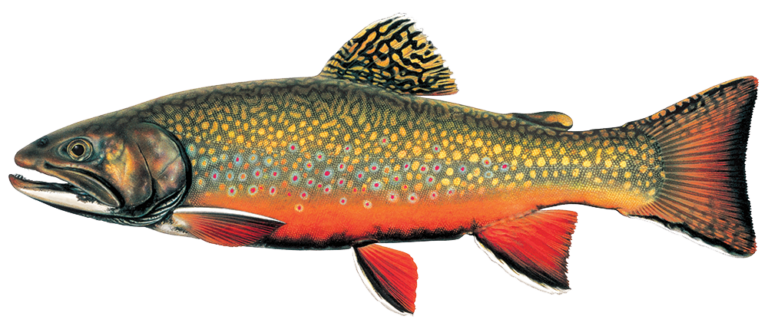
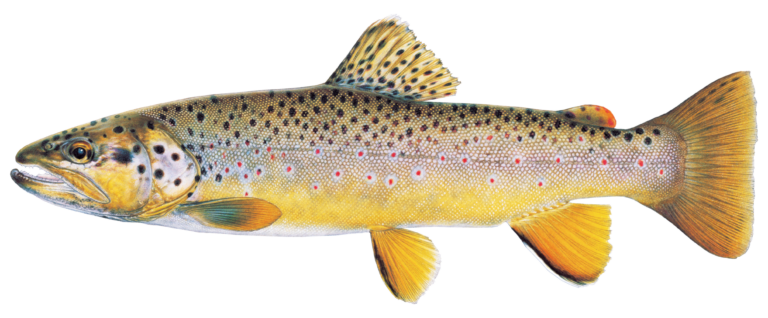
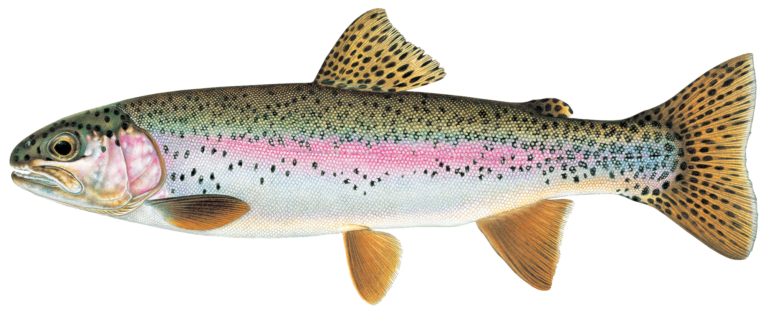
Threats & Opportunities
Modeling has shown that South Carolina’s freestone trout waters could be at risk from rising temperatures, especially in lower elevations, as the streams transition from coldwater to warmwater habitat. Public ownership of much of the landscape high in these watersheds means that TU can take advantage of long-standing relationships with partners such as the Forest Service to improve habitat and work that will make the streams more resilient. The popular tailwater fishery in the lower Saluda River has helped create a large base of engaged stakeholders.


What We're Accomplishing
Reconnecting segmented streams to expand trout habitat and protect infrastructure from flooding.
Across South Carolina’s trout country, many streams are segmented by barriers, including small dams and perched, undersized culverts. We have prioritized the most problematic aquatic organism passage (AOP) barriers for mitigation. Alongside partners including the Forest Service, South Carolina Department of Natural Resources and South Carolina Department of Transportation, we are advancing a project to improve fish passage on a sensitive native brook trout stream in the Lake Keowee watershed. An added benefit is that properly sized culverts are better able to handle high flows, reducing flood damage to roads and communities along these streams.
Restoring brook trout populations to improved streams.
Our restoration and protection efforts have improved some South Carolina streams to the point where they can once again support trout. We are working with the South Carolina Department of Natural Resources to reintroduce native brook trout into streams within our Priority Waters, including Pigpen and Licklog creeks in Sumter National Forest and three streams in the Jocassee Gorges area.
Providing critical financial and volunteer support for trout restoration.
We have provided more than $50,000 in financial support and over 700 hours of volunteer labor to the South Carolina Department of Natural Resources to advance priority brook trout restoration efforts. Additionally, we have provided critical support to the department in implementing a natural channel design stream restoration project on Eastatoee Creek.
How You Can Help
Find your local chapter
Get connected and make a difference for priority waters in your community.
Find your chapterHelp us assess barriers to fish passage and get your hands dirty with us on restoration projects.
VolunteerLearn about our work caring for and recovering Priority Waters in South Carolina and across the Southeast.

South Carolina Conservation Team
Jake Rash
Southern Appalachians Project Director
jacob.rash@tu.org
Southern Appalachians Project Director
jacob.rash@tu.org

Priority Waters

-
Chattooga/Savannah Headwaters
Boisterous and bold, the Chattooga drops an average of 49 feet per mile in its first 10 miles in North Carolina before forming the border between Georgia and South Carolina. While the main river is stocked by both Georgia and South Carolina, there are also some wild trout in the main river. The Chauga River is a solid fishery with a mix of wild and stocked trout. A number of tributaries on the South Carolina side are filled with wild trout. A number of higher-elevation tributaries to the Keowee River hold wild trout populations. This watershed has the potential to be a climate change-resistant brook trout stronghold and features many possible projects to reconnect habitat by addressing fish passage barriers.
-
Saluda River Watershed
In its middle reaches, the scenic Saluda River plunges an astonishing 1,000 feet in just five miles. Designated a Class I Natural River under the South Carolina Scenic Rivers Act, the Saluda is primarily a wild rainbow trout fishery but supports some brown trout as well as native brook trout, which likely enter the river from smaller tributary streams. Far downstream, the Saluda tailwater below Lake Murray is one of the Southeast’s best urban wild trout fisheries.

