West Virginia

Overview
The rugged mountain terrain across much of West Virginia is crisscrossed by hundreds of miles of coldwater streams, from gurgling mountain brooks to groundwater-fed spring creeks that meander through valley floors. These streams are the headwaters of important watersheds, including the Mississippi and Potomac. We are accomplishing vast restoration and protection efforts in the Potomac and Greenbrier watersheds on both public lands and in partnership with farmers and other landowners. Our team is removing barriers, restoring eroded stream banks, and installing instream habitat structures. We’re already seeing results, with restored stream reaches producing more and much larger native brook trout. Elsewhere, the headwaters of the Gauley, Elk, Upper Guyandotte, and Tug Fork present exciting opportunities to expand our restoration efforts.
Fish We're Protecting
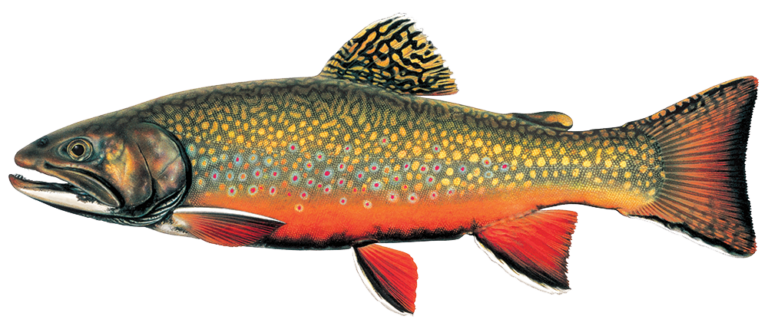
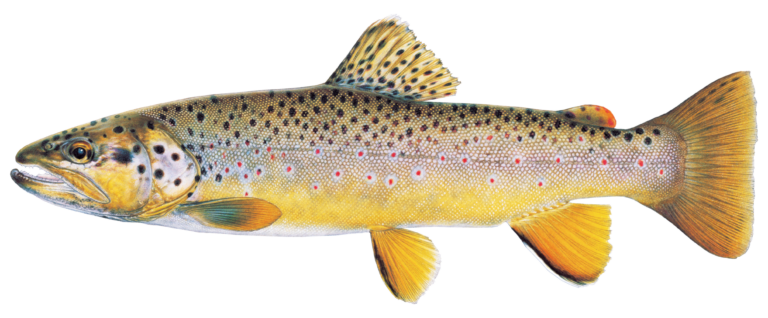
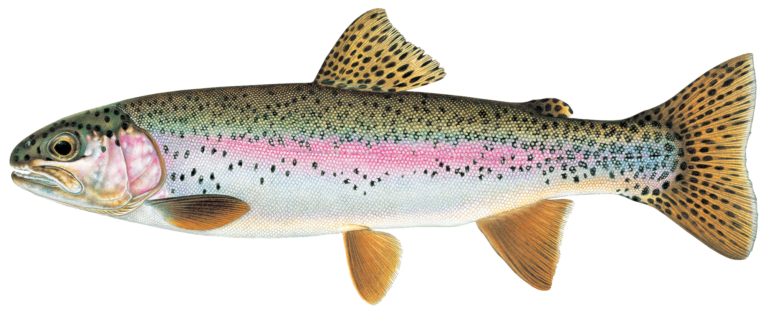
Threats & Opportunities
West Virginia’s trout streams face threats from both the past and the future. Past land use practices, including timber operations, mining, and agriculture, have left a lasting mark on the landscape — one that TU is already working to repair. As the climate changes, TU will prioritize working on streams that will be most resilient to warming temperatures.


What We're Accomplishing
Leveraging science to increase protections for wild trout.
The West Virginia Division of Natural Resources formally added more than 200 miles of designated wild trout waters thanks to a collaborative effort to identify and correctly classify streams. Our staff and partners, including the West Virginia Rivers Coalition, West Virginia Department of Environmental Protection, Forest Service and West Virginia Division of Natural Resources, spearheaded data collection and transfer, ensuring more than 70 streams received stronger water quality standards for trout.
Improving habitat in headwater streams to benefit trout populations.
We have restored riparian and instream habitat along more than 100 miles of headwater streams, benefiting brook trout across the state. This work has resulted in up to fourfold increases in brook trout abundance, and sampling has documented wild brook trout measuring more than 15 inches at project sites.
Expanding trout restoration and protection programs to imperiled watersheds.
The Southern Coalfields region of West Virginia has shown excellent potential for wild trout, but many of the region’s streams face challenges, including point-source pollution. A multiyear effort led by our grassroots members and staff, the West Virginia Division of Natural Resources, local communities and many other partners has resulted in the formal designation of 270 miles of catch-and-release wild trout waters in the Guyandotte River and Elkhorn Creek drainages. Designating these fisheries as trout waters provides stronger water quality protections for both watersheds.
How You Can Help
Find your local chapter
Get connected and make a difference for priority waters in your community.
Find your chapterHelp us recover and advocate for West Virginia’s wild trout waters.
Email usStay up to date about how TU is caring for and recovering Priority Waters across the Mid-Atlantic.

West Virginia Conservation Team

Abigail McQueen
Mid-Atlantic Coldwater Habitat Director
abigail.mcqueen@tu.org
Mid-Atlantic Coldwater Habitat Director
abigail.mcqueen@tu.org

Priority Waters
-
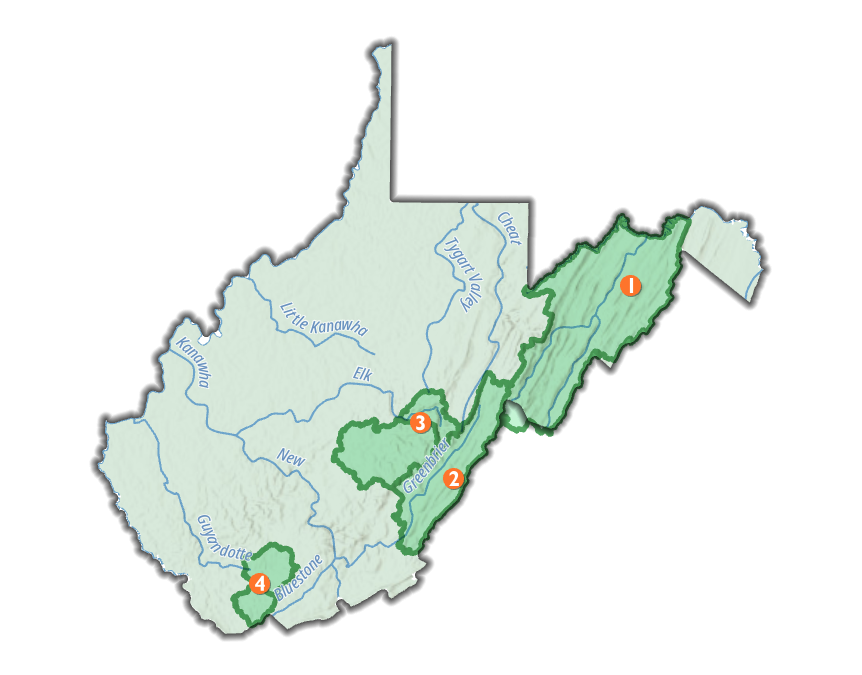
Upper Potomac
The Upper Potomac watershed in West Virginia boasts some of the best and largest brook trout strongholds in the East, those colorful mountain jewels attracting anglers from near and far. Working with partners such as the Forest Service and the Natural Resources Conservation Service will help us complete projects to expand the size of those strongholds. The work will not help brook trout populations but will contribute to improved water quality in the Chesapeake Bay far downstream.
-
Greenbrier River
While the Greenbrier itself is not a coldwater resource, many of its tributaries are. The Greenbrier system includes vast expanses of the Monongahela National Forest, and with the Forest Service, we are restoring waters on public land by adding woody structure to streams, improving and/or removing barriers to fish passage, and decommissioning abandoned roads that cause sediment pollution during rainstorms. Surveys show trout populations rebounding. Expanding the reach of the efforts will make the watershed even healthier.
-
Gauley and Elk Rivers
The rugged and remote upper reaches of these two watersheds are known to hold vast coldwater fisheries, but their full extent is not fully understood. We are working to build a deeper understanding of these streams, their trout populations, and where we should focus our work to restore and protect them.
-
Tug Fork and Upper Guyandotte
These watersheds lie in an area of West Virginia that has long been impacted by industrial mining operations. Despite challenges facing natural resources in the region, many of the coldwater streams in the Tug Fork and Upper Guyandotte boast populations of wild trout. TU is focusing on analyzing the health of these streams and their trout and identifying opportunities for restoration and protection.
