Arizona
Grand Canyon, and equally grand waters

Overview
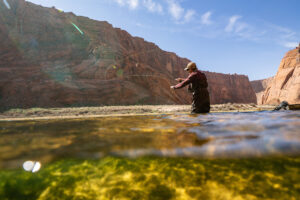
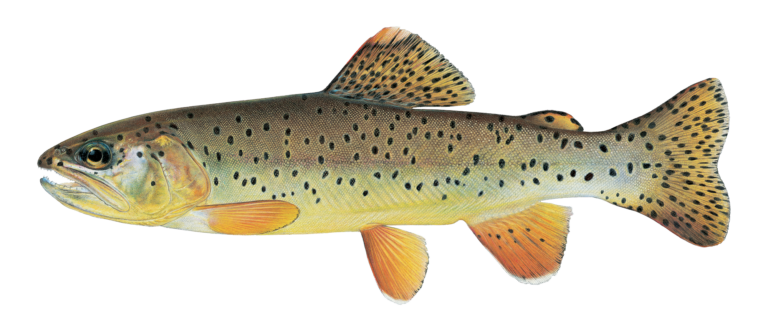
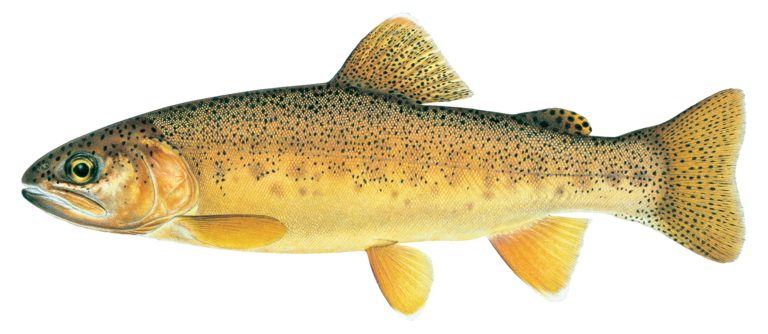
Home to the Colorado River, the Grand Canyon, and countless slot canyons, Arizona is known for its scenery. Less known are the native and wild trout fisheries in the mountain ranges cutting across central Arizona. Fragile, unique populations of Gila and Apache trout—iconic features of the Southwest—persist in the face of climate change, wildfire, and historic drought. Lees Ferry, the dividing line between the Upper and Lower Colorado River Basins, provides some of the best wild trout fishing in the state. We are working to protect and recover the state’s unique native trout while supporting wild trout fisheries that are important to Arizona’s trout anglers.
Fish We're Protecting
Threats & Opportunities
Although the U.S. Fish and Wildlife Service delisted the Apache trout from the Endangered Species Act in 2024, more work remains to keep it on stable footing. Historic drought and wildfires are also immediate threats to Arizona’s trout streams. Small native trout populations in small streams are extremely susceptible to wildfires. Subpopulations have been wiped out. It is urgent that we work to recover and build these strongholds. Doing so will likely require a larger toolbox of strategies than what is used in many other states.


What We're Accomplishing
Restoring National Forests Impacted by Wildfires:
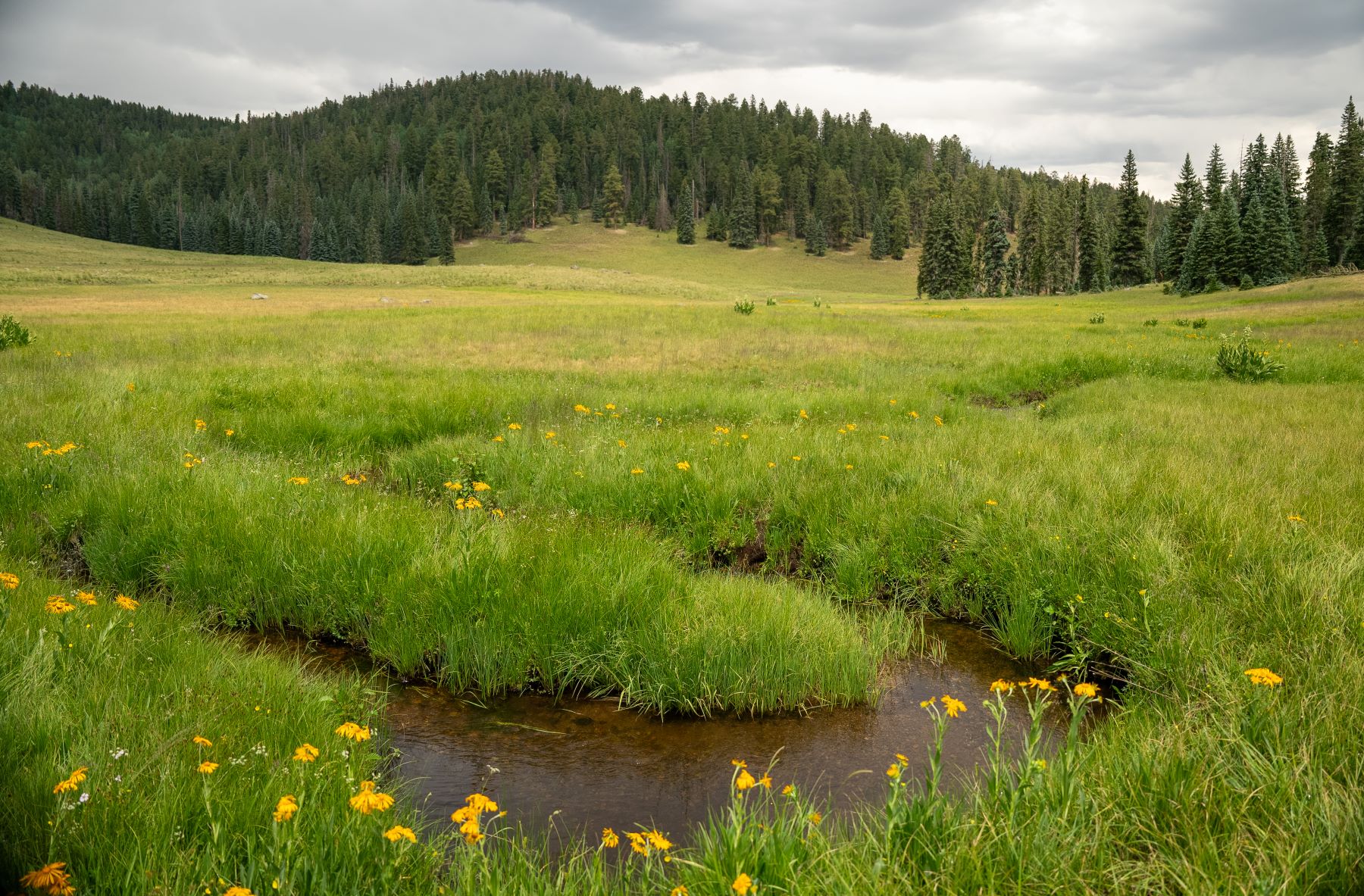
The Thompson-Burro Meadow is a pivotal nexus of conservation in Apache-Sitgreaves National Forest. Not only do the streams and rivers in this area feed the Phoenix valley and Colorado River, but they are also home to the state’s native Apache trout and are part of the largest contiguous ponderosa pine forest in the United States. This area is also still recovering from the impacts of the 2011 Wallow Fire, which burned the landscape and overwhelmed the river systems causing channel incision and erosion, which led to the loss of instream habitat and floodplain connectivity critical to groundwater storage and functioning riparian and wetland wildlife habitats. TU has installed over 200 log structures using repurposed slash from a nearby Forest Service thinning project to help slow the water down and reconnect the stream to the floodplain. Basically, this means that during the hottest times of the year, there is still water left in the wet meadow system to flow downstream. We’ve even installed multiple stream gauges across the meadow to monitor groundwater levels and quantify how much water is flowing downstream.
Protecting and Enhancing Arizona’s Public Lands:
For many years, Trout Unlimited called for greater protections on land adjacent to Grand Canyon National Park due to the toxic history of uranium mining in the region. With more than 500 abandoned mines scattered around the region, the recently designated Baaj Nwaavjo I’tah Kukveni Grand Canyon National Monument creates a permanent ban on future mining without restricting other uses, such as harvesting timber, cattle grazing, and outdoor recreation.
Partnering with the White Mountain Apache Tribe to support Apache Trout populations:
TU is partnering with the White Mountain Apache Game and Fish Department and the U.S. Fish and Wildlife Service to replace and/or remove 11 culverts on Paradise Creek and Deep Creek. These streams are critical Apache trout habitat threatened by the historic mega drought. These projects will ensure that Apache trout can access the best spawning habitat in the spring and seek refuge habitat during the hottest times of the year.
Delisting the native Apache Trout from the Endangered Species Act:
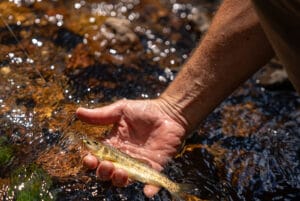
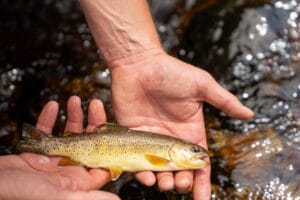
Once on the brink of extinction, the Apache trout can only be found in the cold, high-elevation waters of Arizona—a state few associate with a cold-water trout species. But Apache trout are resilient—persisting through decades of threats long enough so that the power of partnerships could bring them back. Dating back to the 1950’s, the White Mountain Apache Tribe had the incredible foresight to take action to begin reversing the trout’s population declines. Over the coming decades, a collaborative effort between many partners—including the White Mountain Apache Tribe, San Carlos Apache Tribe, Arizona Game and Fish Department, U.S. Forest Service, Trout Unlimited, and the U.S. Fish and Wildlife Service—to help restore these populations and portions of their historic range, eventually leading to the trout’s official delisting from the Endangered Species Act in 2024. While more work is needed to build on the success of these efforts, the Apache trout became the only sportfish ever to be delisted from the Endangered Species Act in 2024.
How You Can Help
Want to help us protect and recover Arizona’s wild trout?
Reach OutStay up to date about how you can help us care for and recover Arizona’s Priority Waters.


Arizona Conservation Team

Nathan Rees
Arizona State Director
nathan.rees@tu.org
Arizona State Director
nathan.rees@tu.org

Kevin Terry
Southwest Program Director
kevin.terry@tu.org
Southwest Program Director
kevin.terry@tu.org
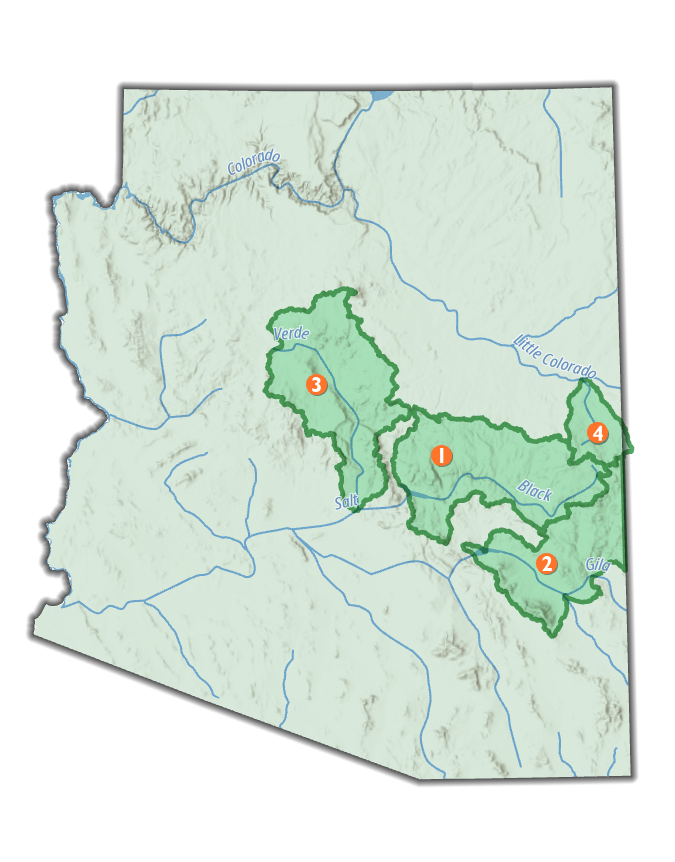
Priority Waters
-
Salt River Basin
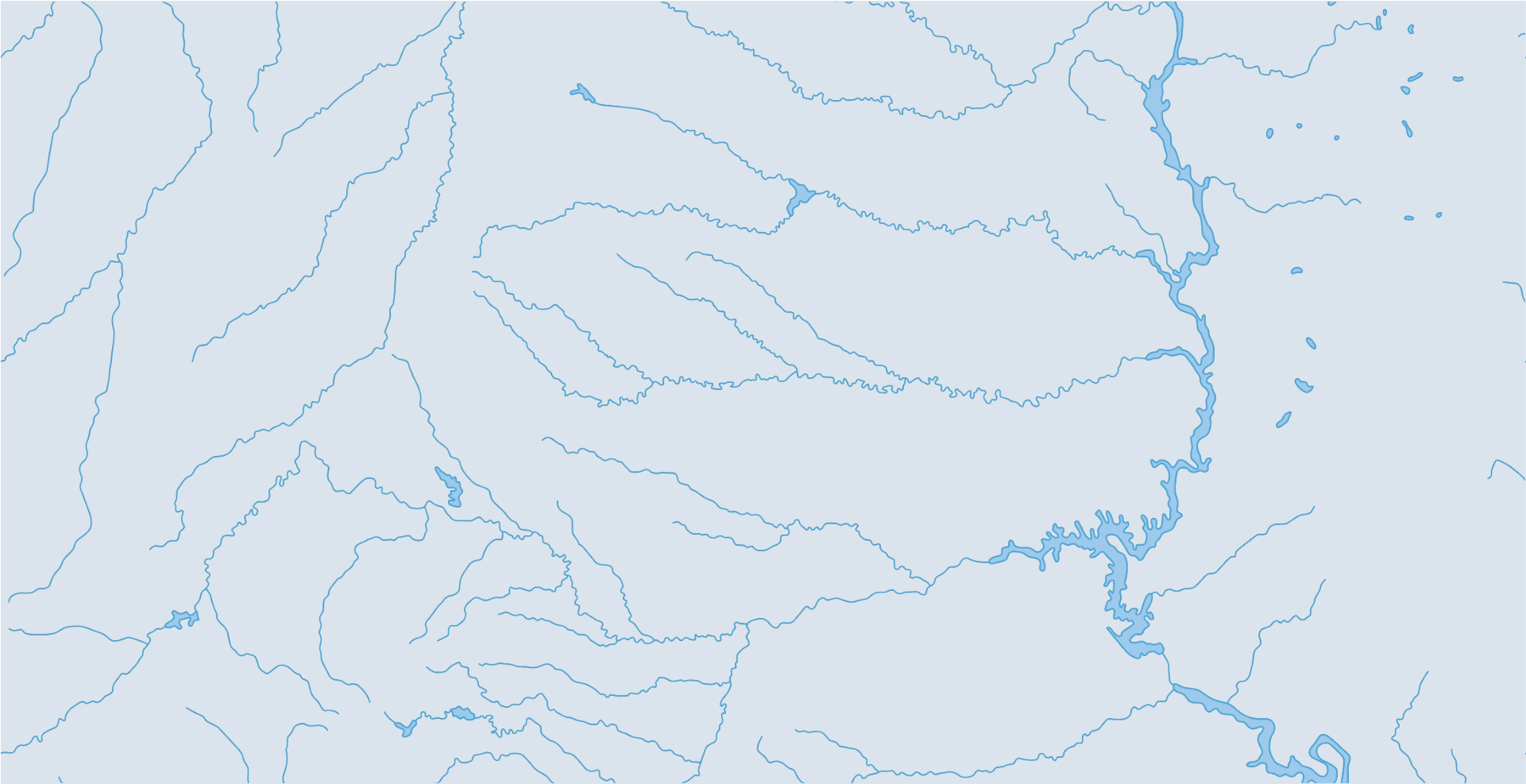
This is the only coldwater trout fishery in America that runs through a desert. Its headwaters originate in the White Mountains, home to genetically pure populations of Apache trout, Arizona’s state fish. Providing much of the water supply for Phoenix, the 200-mile Salt River flows through Tonto National Forest and is popular for tubing, wild horse viewing, and fishing. In a warmer Southwest, we need to protect each remaining coldwater stream, and the Salt River Basin provides a diversity of habitat that will provide trout habitat into the future.
-
Upper Gila River Basin
One of the longest rivers in the West, the Gila is a 649-mile tributary of the Colorado, renowned for its 280 species of bird habitat and native Gila trout. Rugged, remote streams in the Blue River tributary watershed present our best opportunity to create a Gila trout stronghold in Arizona. In the Pinaleno Mountains, two Gila trout populations are reproducing thanks to recovery efforts following a 2017 wildfire.
-
Verde River Basin
One of Arizona’s last free-flowing rivers, the Verde River, runs 192 miles from its headwaters in Chino Valley to the confluence of the Salt River. More than 40 miles are designated Wild and Scenic. Trout Unlimited is working to build connected strongholds for Gila trout in the watershed, including fishable populations. The basin is home to the endangered razorback sucker and Colorado pikeminnow.
-
Little Colorado River Basin
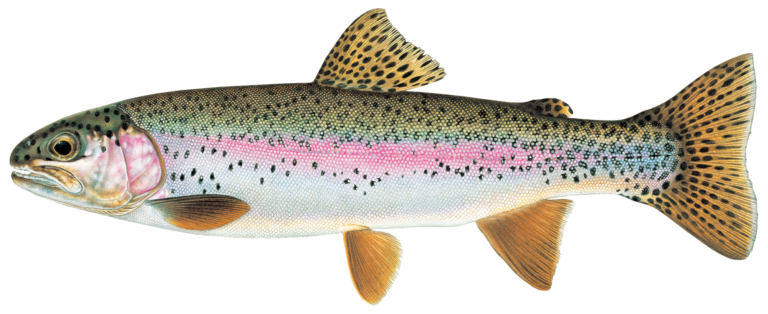
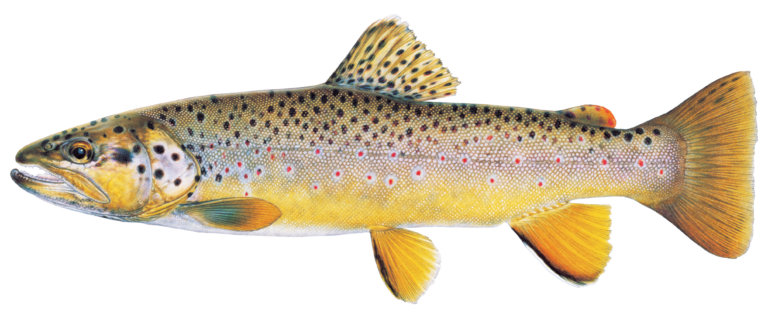
One of the largest tributaries to the Grand Canyon, the Little Colorado River runs for 45 miles across the plains of the Painted Desert in the Navajo Indian Reservation, eventually forming a narrow and 100-foot deep gorge near Cameron that offers stunning views on the way to the Grand Canyon itself. Rainbows, brown trout, and brook trout thrive in 15 wild trout streams. Small populations of Apache trout live in its headwaters.
Stories