Minnesota

Overview
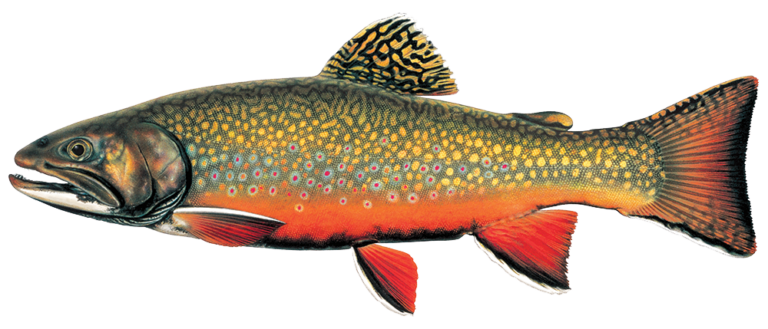
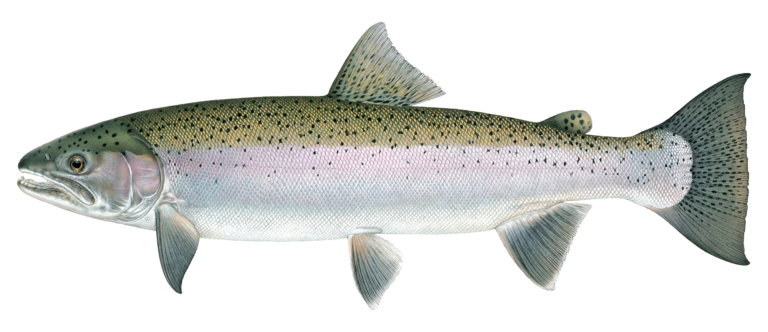
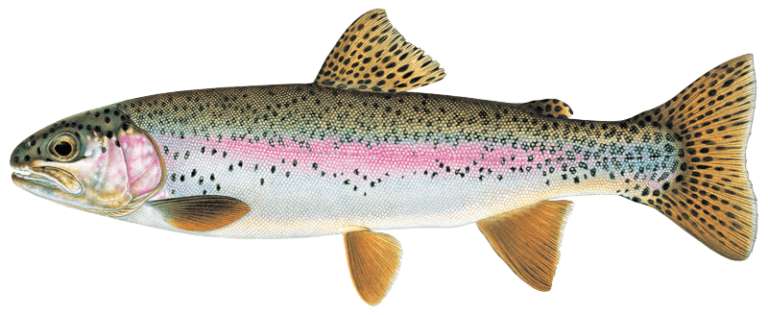
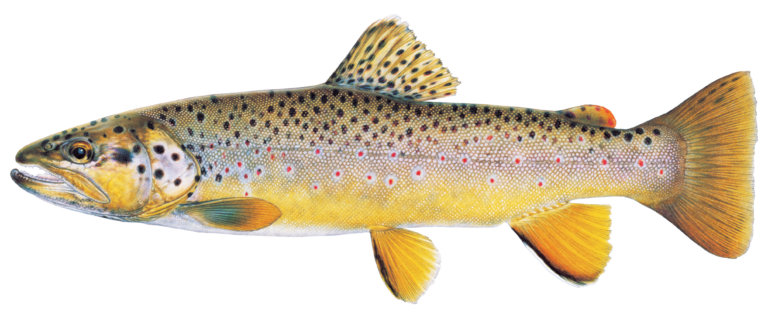
Minnesota is home to abundant coldwater streams with robust populations of native and wild trout, and a legacy of public support for restoration, environmental education, and angling access. Thousands of stream miles span unique landscapes from rugged and rocky forests of Lake Superior’s North Shore to the steep hills and bluffs of the southeast Driftless Region. For decades, Minnesota has been a leader in coldwater fisheries conservation, with premier angling opportunities along over 1,700 miles of publicly accessible trout waters across the state, including native brook and wild brown trout in the Driftless, steelhead and coaster brook trout in the Northeast, and even native brook trout within minutes of the Minneapolis-St.Paul metropolitan area.
Fish We're Protecting
Threats & Opportunities
Habitat degradation from land development, agriculture, and deforestation, along with climate change threaten the future of Minnesota’s coldwater fisheries. For five decades, MNTU has worked with local partners, including state and federal agencies, to reconnect streams, restore habitat, improve climate resilience, educate youth and communities, and advocate for policies that protect coldwater fisheries and watersheds.


How We Work
Collaboration
Minnesota Trout Unlimited’s accomplishments of statewide stream restoration have been made possible by local, state, and federal partnerships, public angling easements on private lands, and a cadre of dedicated volunteers across five TU chapters and with the support and partnership of Trout Unlimited. The majority of MNTU’s habitat work is funded through the Outdoor Heritage Fund, a 2008 constitutional amendment that dedicated a portion of a new state sales tax to protecting and improving Minnesota’s natural resources. This competitive grant process is unique across the country and has enabled MNTU to greatly expand its habitat restoration program, improving stream habitat and climate resilience in watersheds across the state.
Restoration
MNTU’s trout habitat improvement projects seek to boost wild trout populations, improve water quality, enhance non-game wildlife, and increase high quality angling access and participation. Although the objectives, scope, and methods utilized vary by project, fundamental concepts apply statewide: restoring floodplain access, improving stream stability and sediment passage, and enhancing habitat for all life stages of trout.
Reconnection
Unobstructed pathways are crucial for stream-dwelling trout at critical times throughout the year, including for spawning, feeding, overwintering, and finding coldwater refugia during warm, low summer flows. Barriers like dams, road crossings, and culverts—many built during rapid infrastructure expansion in the last century—disrupt these vital routes, particularly in northeast Minnesota, where native brook trout populations are at risk.To address these challenges, MNTU works with the MN DNR, taking a strategic and data-driven approach to identify and replace barriers fish barriers with the best potential to reconnect suitable habitat for wild brook trout.
Advocacy
Protection of coldwater fisheries is MNTU’s core mission and this requires protection of the water, watersheds and aquifers upon which trout, steelhead and salmon depend for survival. Public policy decisions, especially those made at the state Capitol, can have huge consequences on the future health and viability of Minnesota’s coldwater fisheries. MNTU educates decision makers and advocates for responsible and sustainable ecosystem management,focusing on priority issues including access to public waters; agricultural runoff, neonicotinoid and nitrate contamination, and feedlot impacts; the prevention of sulfide mining in the Boundary Waters Canoe Area Wilderness; protection of Lake Superior from invasive species and other threats; and fish kill prevention.
Education and Outreach
Minnesota Trout Unlimited’s outreach and education programs directly connect individuals, youth and families with their local watersheds throughout the state. These programs engage people of all ages with the natural world through hands-on learning experiences that provide them with a deeper understanding of Minnesota’s aquatic ecosystems and their roles as environmental stewards. MNTU’s Trout in the Classroom program supports over 60 classrooms across the state connecting students with local waterways while caring for their own trout, from eggs to fingerlings for release. MNTU’s annual Great Waters Fly Fishing Expo has been a fixture of the Upper Midwest fly fishing community for many years.
How You Can Help
Sign up to receive MNTU’s Monthly Cast Enews, Volunteer, and Action Alerts
Sign Up NowFollow MNTU on Social Media


Minnesota Conservation Leader
Jennifer Biederman
Minnesota State Habitat Director
Minnesota State Habitat Director
Priority Waters
-
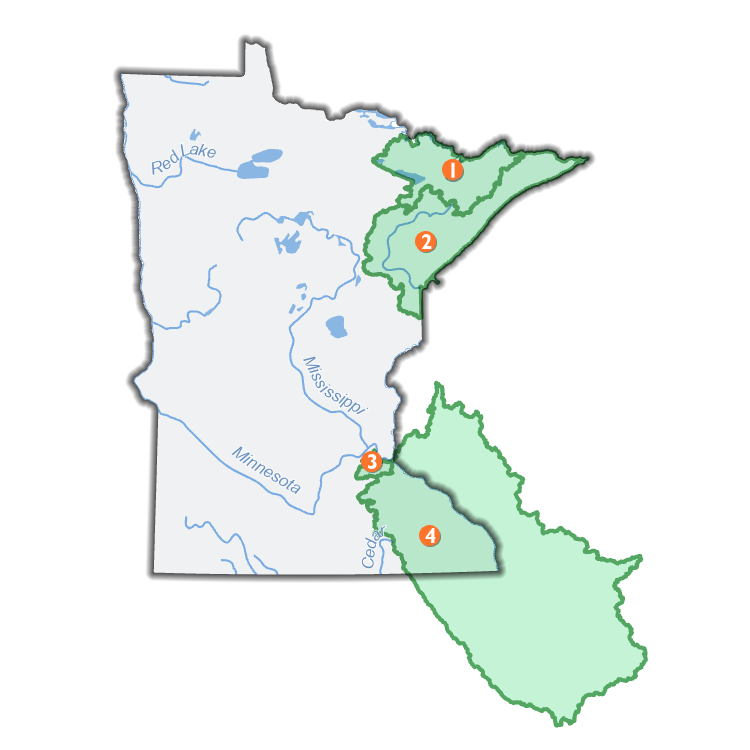
The Lake Superior basin in MN
Lake Superior, the world’s largest freshwater lake, is home to the greatest lake trout population in the country, as well as steelhead, brook and brown trout, steelhead, and chinook, coho and pink salmon. Lake Superior’s tributaries support resident native and wild trout and the unique life history of Great Lakes resident trout and salmon that use the tributaries for spawning, including native coaster brook trout.
-
The Boundary Waters Canoe Area Wilderness (BWCAW) watershed
The BWCAW is a special place, filled with the wonders of the Northwoods and an awe-inspiring landscape shaped by glacial movements millennia ago. At nearly 1.1 million acres, the Boundary Waters spreads across the northeastern tip of Minnesota. It is a vast boreal forest consisting of interconnected lakes, streams, wetlands and aquifers that provide some of the best fishing the world has to offer. More than a hundred of those lakes are deep, clear, cold, well-oxygenated and hold lake trout, one of Minnesota’s two native species of trout. The BWCAW is currently under threat from proposed sulfide-ore copper mining on the edge of the Boundary Waters. Industrial scale mining would cause irreparable damage to the very quality that makes these public lands and waters so unique. MNTU is working with state and federal partners to advocate for protection of this irreplaceable wilderness and world-class fishery.
-
The Vermillion River watershed
The Vermillion River Watershed is an approximately 364-square mile watershed located in the Lower Mississippi River Basin. The Vermillion River supports a naturally reproducing population of brown trout and a portion of the main stem of the upper Vermillion River and some of its tributaries have been designated as trout streams by the Minnesota Department of Natural Resources. Agricultural runoff, stormwater runoff and stream bank erosion are having negative effects on the watershed’s water quality. MNTU has implemented a number of stream restoration projects on the Vermillion creating a high-quality fishery within walking distance of suburban homes and within an hour’s drive of the majority of the state’s population. Projects have improved fishing access to the river and trout habitat, created colder stream temperatures, stabilized stream channels, decreased erosion, and created a more suitable plant community.
-
Driftless Ecoregion
The unique, 24,000-square-mile, unglaciated Driftless Area in the heart of the Upper Mississippi River basin is a natural resource treasure. The scenic landscape, with its steep hills and rocky bluffs, is home to one of the country’s most remarkable freshwater resources — more than 600 coldwater limestone spring-fed creeks supporting a world-class trout fishery. Over 5,700 miles of mineral-rich spring creeks weave across the landscape. These streams support abundant populations of trout, which in turn, attract tens of thousands of anglers to the region each year. Agricultural runoff, feedlots, and stream bank erosion are having negative effects on the watershed’s water quality. MNTU has implemented over 75 stream restoration projects in the region and advocated with agencies and the legislature for stronger policies to protect these world class streams. Over 75 stream restoration projects have been completed in Minnesota’s Driftless Area through a collaboration between MNTU and Trout Unlimited’s Driftless Area Restoration Effort.