Tennessee

Overview
From tiny, high-mountain creeks brimming with colorful brook trout to tailwaters known for trophy browns and rainbows, Tennessee has a bit of everything. The state’s Priority Waters are almost exclusively found on the state’s mountainous border with North Carolina, where high-elevation tributaries to many major rivers originate. Although trout populations are strong in the headwaters of these systems, ongoing work to remove barriers and enhance stream habitat is making the waters even more resilient to future challenges, including warming temperatures and stronger storms related to our changing climate.
Fish We're Protecting
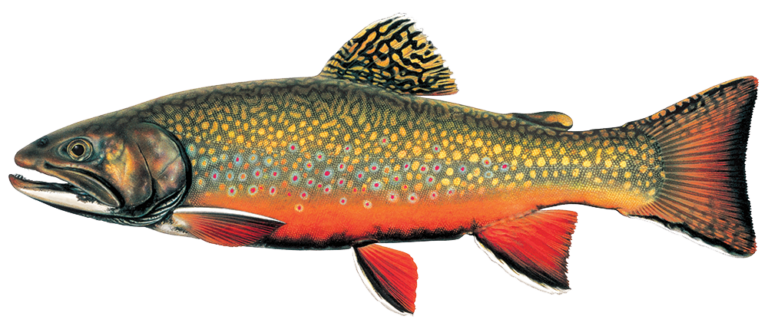
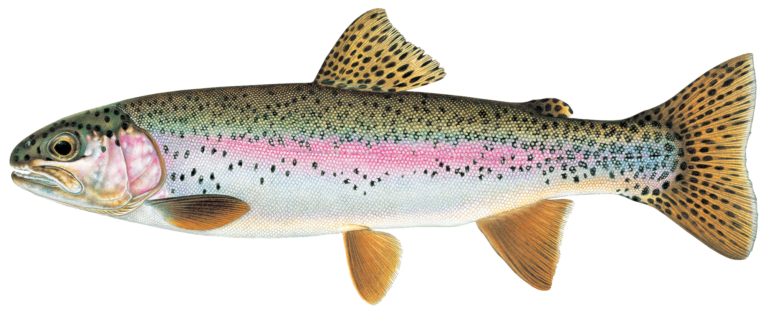
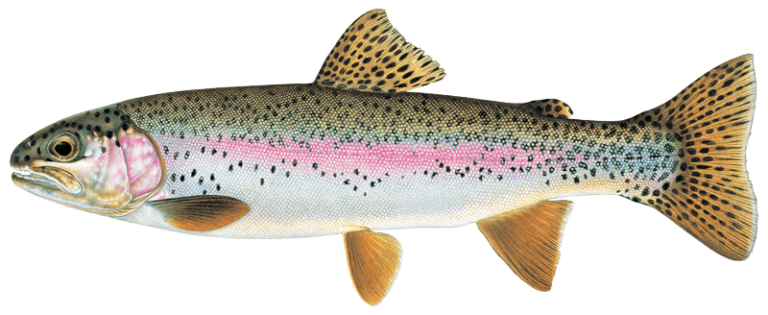
Threats & Opportunities
Tennessee’s moderate latitude puts it at the southern edge for widespread, viable trout waters. That is offset somewhat by the high elevation of many streams, as well as fisheries in several tailwaters fed by cold releases from large dams. Many of the smaller streams are found on public lands and are still bearing the scars of long-ago timber-cutting operations, particularly a lack of natural wood habitat in streams.


What We're Accomplishing
Making streams healthier.
Across much of Appalachia, industrial-scale logging resulted in the loss of mature streamside trees that not only shaded the water but also eventually, as they aged and died, fell into streambeds to provide cover for trout. Our crews have kick-started the recruitment of large woody cover into streams by strategically felling trees in riparian corridors, including in Cherokee National Forest.
Reconnecting segmented streams to expand habitat and protect against flooding.
Across Tennessee’s trout country, many streams are segmented by barriers, including small dams and perched, undersized culverts. We have prioritized the most problematic aquatic organism passage (AOP) barriers and, alongside partners including the Forest Service and The Nature Conservancy, are restoring connectivity by removing dams, such as one on Citico Creek, and replacing problematic culverts on the Trail Fork of Big Creek, Wolf Creek and other headwater streams. An added benefit is that properly sized culverts are better able to handle high flows, reducing flood damage to roads and communities along these streams.
Mobilizing volunteers and building project capacity.
Our Tennessee Council and local chapters continue their longstanding support of fisheries work in Great Smoky Mountains National Park. Over the years, our volunteers have assisted the National Park Service with water quality monitoring, brook trout restoration, brook trout genetics research, streambank restoration, fish monitoring surveys, AOP evaluations, litter cleanups and educational programs.
How You Can Help
Find your local chapter
Get connected and make a difference for priority waters in your community.
Find your chapterHelp us assess barriers to fish passage and get your hands dirty with us on restoration projects.
VolunteerLearn about our work caring for and recovering Priority Waters in Tennessee and across the Southeast.

Tennessee Conservation Team
Jake Rash
jacob.rash@tu.org
Southern Appalachians Program Director
jacob.rash@tu.org
Southern Appalachians Program Director

Priority Waters

-
Tennessee River Headwaters
The areas is diverse in trout resources, with a mix of mountain streams providing endless opportunities for blue-line explorers and two large tailwaters — the South Holston and Watauga — that are among the best trout fisheries in the East. We’re working on an ambitious strategic wood-loading initiative on some of the smaller streams in the Cherokee National Forest and advocating for tailwater management that prioritizes the wild trout populations in the South Holston and Watauga.
-
Great Smoky Mountains National Park
No list of great wild trout fisheries in the East is complete without the Great Smoky Mountains National Park, which offers something for just about every angler or wild river fan. The park offers blue-lining opportunities galore, with plenty of options deep in the backcountry. There are also accessible streams, like the popular and scenic Oconaluftee River near Cherokee.
-
Clinch River Tailwater
The only Tennessee Priority Water not in the Blue Ridge Range, the Clinch River is a productive tailwater known for trophy rainbow trout. With evidence that rainbows are reproducing naturally in the stream, this is a key area for habitat work and advocacy for the regulations most appropriate for this exciting fishery.
-
Little Tennessee Headwaters
Beginning just below the North Carolina/Georgia state line south of Franklin and running to the North Carolina/Tennessee state line west of Robbinsville, the Little Tennessee watershed encompasses key coldwater resources in the state, including Sugar Cove Creek, where repatriated native brook trout are thriving thanks in part to TU’s large wood habitat work.
Stories


