Massachusetts

Overview
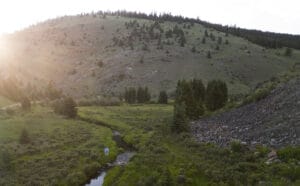
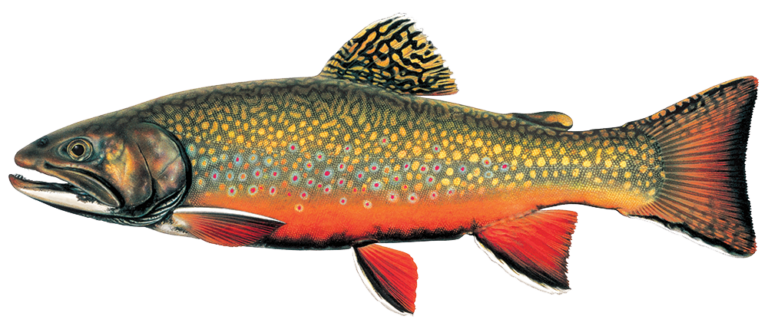
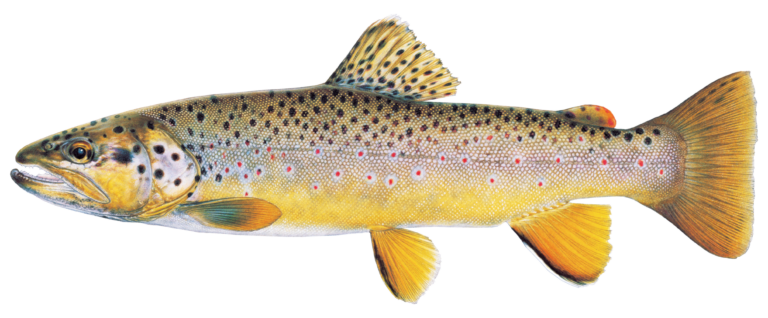
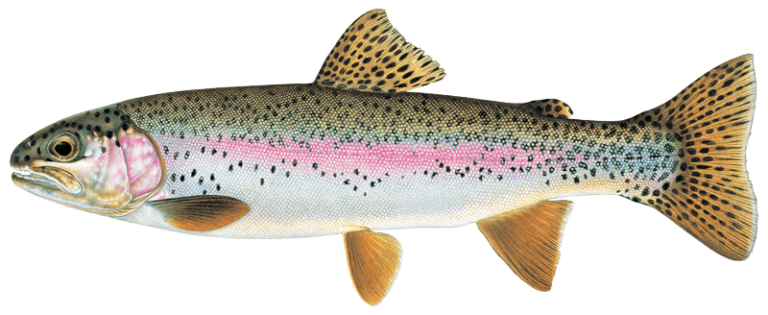
From the mountains to the sea, Massachusetts offers a diverse array of trout habitat and fishing opportunities. In the western part of the state, native brook trout and wild browns and rainbows swim in the headwaters of famous streams such as the Housatonic and Farmington, while the rivers’ small tributaries burst with brookies. The Deerfield is an outstanding tailwater fishery on the verge of becoming even better now that the state is focusing its management on the river’s wild brown trout. The Hoosic, once so imperiled by pollution that it got little attention, is improving as a trout fishery and is poised for excellence thanks to upcoming dam removals. On Cape Cod and other parts of the coastline, migratory salter brook trout grow fat as they move between flowing streams and fertile saltwater estuaries.
Fish We're Protecting
Threats & Opportunities
Climate change will have an impact on Priority Waters streams in Massachusetts. Streams are already facing more frequent and intense rain events and invasive species, including invasive pests infesting new parts of the state’s forests. By focusing our efforts in watersheds where higher elevations and groundwater influence will provide some resilience to climate change, we are helping trout weather expected future warming and drought.


What We’re Accomplishing
Engaging partners to improve trout stream health.
In the Deerfield River watershed, we have used our Forests for Fish program to engage landowners, foresters, conservation organizations and municipal officials. These efforts promote forest management practices that protect stream temperatures, water quality and long-term watershed health. We also monitor streamflows on Dragon Brook, collecting critical data to better understand hydrologic conditions and guide future restoration and water management decisions that benefit coldwater fish.
Improving stream connectivity and flood resilience.
In the Westfield River watershed, we have partnered with local and state stakeholders to replace an undersized culvert on a tributary to Kinne Brook and remove a small, aging dam that fragmented stream habitat. In the Hoosic River watershed, we are removing Beaver Mill Dam and Broad Brook Dam. Projects like these improve fish passage, restore natural stream processes and reduce flood risks associated with aging infrastructure.
Enhancing stream health.
In the Housatonic River watershed, we have completed streambank and floodplain restoration on a property in New Marlborough, stabilizing eroding banks, improving habitat complexity and reconnecting floodplain habitat. The project’s success is helping us secure additional investments for restoration on three neighboring properties, expanding its watershed-scale impact. Together, these efforts are improving water quality, reducing sediment loads, strengthening climate resilience and expanding habitat for wild trout while helping landowners and communities manage flood and erosion risks.
Securing funding for salter brook trout habitat restoration.
We are raising funds to address barriers on Fresh Brook on Cape Cod. These barriers can increase water temperatures and degrade coastal stream habitat, threatening salter brook trout, a unique form of brook trout that moves between fresh water and salt water. Land use practices have also contributed to significant habitat loss across the salter brook trout’s historic range.
How You Can Help
Find your local chapter
Get connected and make a difference for priority waters in your community.
Find your chapterHelp us monitor stream temperatures to identify streams that will better weather climate change.
Email UsLearn more about what TU is doing in Massachusetts to recover wild and native trout and how you can help.

Massachusetts Conservation Team
Zachary Adams
Massachusetts Project Manager
zachary.adams@tu.org
Massachusetts Project Manager
zachary.adams@tu.org

Priority Waters

-
Deerfield River
Coldwater releases from hydroelectric dams make the Deerfield in western Massachusetts a productive trout fishery. Things are looking up for the fishery thanks to scientific research conducted by TU members and supporters, who are successfully advocating for better regulations and smarter flow regimes to support the river’s famous wild trout.
-
Westfield River
Flowing 33 miles from the Berkshire Plateau to the Connecticut River, the Westfield offers a combination of excellent trout fishing and beautiful, rugged scenery. The 7-mile catch-and-release-only section that flows through Chesterfield Gorge is especially stunning. Many smaller tributaries are home to strong populations of native brook trout, which are benefitting from barrier removal and improvement projects to increase their access to more habitat.
-
Farmington River
While the tailwater section in Connecticut gets a lot of glory, the Farmington’s upper reaches feature excellent coldwater habitat that supports wild trout. TU is just getting started with restoration work in this watershed, with current efforts focused on assessments to determine priority sites for future projects.
-
Housatonic River
With its quality coldwater habitat, the Housatonic in Massachusetts is a popular trout fishery. TU is focusing on barrier improvement and removal projects within the watershed to expand habitat and to better connect wild-trout-filled tributaries to the river’s mainstem.
-
Hoosic River
The Hoosic is a sleeper wild trout fishery known among its fans for producing trophy browns. It holds some wild brook trout, too. TU’s efforts in the watershed focus on several dams that segment the river and that also contribute to higher stream temperatures in warmer months. As those problematic barriers are removed, the Hoosic has the potential to be one of the region’s top wild trout fisheries.
-
Coastal Salter Streams
Massachusetts has a number of coastal streams supporting salter brook trout, which move between freshwater streams and saltwater estuaries. TU has been instrumental in protecting and restoring several key salter streams, including the Quashnet River, but more information is needed about these fisheries, offering TU’s members and supporters a prime opportunity for community science work.
Stories