Vermont

Overview
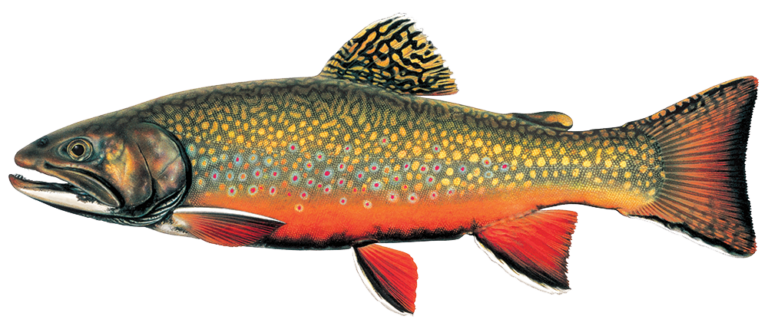
North to south, east to west, Vermont is among the rare states that have wild trout resources across its entire landscape. In the so-called Northeast Kingdom, brook trout-filled tannic streams in the headwaters of the upper Connecticut River Basin, Nulhegan River, and other systems meander through forestlands. Wild brook trout can be found in abundance, holding in deep pockets and around woody cover that Trout Unlimited and partners such as Vermont Fish and Wildlife are adding to improve habitat. To the south, the Green Mountain National Forest features more large, intact wild brook trout patches where systems like the Deerfield, West, Otter, White, and Battenkill originate.
Fish We're Protecting
Threats & Opportunities
Climate change is leading to water temperature increases in streams, particularly those with no or limited groundwater input, which describes many in Vermont. As weather systems become more extreme and frequent, flooding and drought risks are also rising. TU is working in Vermont to increase the climate resilience of priority streams and will continue to do this by improving habitat and system connectivity.


What We're Accomplishing
Addressing barriers to improve stream connectivity and flood resilience.
We are addressing barriers across the state to improve river health and protect infrastructure from flooding. In the Nulhegan and upper Connecticut River watersheds, partnerships with the Fish and Wildlife Service and local conservation districts helped us remove two barriers, reconnecting nearly 10 miles of stream habitat. We have also completed reconnection projects in the Deerfield watershed and on the Mettowee River. The Nature Conservancy and Middlebury College have been key partners in barrier removals on Otter Creek.
Improving watershed health through riparian restoration.
Healthy riparian areas are essential to healthy streams. In the West River watershed, we have restored 1.5 acres of wetlands, 500 feet of streambank and floodplain habitat, and three acres of riparian vegetation.
Bolstering instream habitat through a variety of restoration practices.
We continue to expand our strategic wood addition program throughout Vermont. In the White River watershed, we have enhanced 12 miles of stream habitat through strategic wood additions, sometimes combined with post-assisted logjams. In the Deerfield River watershed, we have added large wood along four miles of streams to improve fish habitat.
How You Can Help
Find your local chapter
Get connected and make a difference for priority waters in your community.
Find your chapterEmail us to learn what you can do to help us recover Vermont’s rivers and fisheries.
Email UsStay informed about how we are protecting and restoring Priority Waters in the Northeast.

Vermont Conservation Team
Clair Wiegert
Vermont Field Technician
claire.wiegert@tu.org
Vermont Field Technician
claire.wiegert@tu.org

Priority Waters

-
Mettawee River
Originating in Vermont’s Green Mountains, the Mettawee River is a freestone creek that holds native brook trout, brown trout, and a few wild rainbow trout. Limited riparian tree cover contributes to the mainstem reaching marginal trout-supporting temperatures, so we are reconnecting the system’s headwaters, addressing barriers so trout can access thermal refugia in smaller tributaries.
-
Battenkill
The headwaters of this famous trout stream hold native brook trout and a few wild brown trout. In-stream habitat is lacking in the system, so we are installing in-stream rock and wood structures. We are also addressing poor habitat and erosion in priority tributaries.
-
Deerfield River
The headwaters of the Deerfield are largely contained within the Green Mountain National Forest, but the quality of these waters can become compromised soon after flowing out of the forest. TU will be working with the USFS to continue to improve habitat in streams within the forest and with private landowners to improve connectivity so wild trout can access these coldwater refugia.
-
Otter Creek
Otter Creek flows from the Green Mountain National Forest to Lake Champlain, winding through steep, forested headwaters before meandering across farmlands. We work with towns, regional planning commissions, and landowners to improve habitat and water quality.
-
West River
Although modified by dams on the lower mainstem, the tributaries and headwaters of the West River have some of the most resilient cold waters and robust trout populations in the state. The West also holds the distinction of being the upstream-most spawning area for several anadromous species. We are improving habitat along these steep and rocky headwater streams while working towards better connectivity to the mainstem.
-
White River
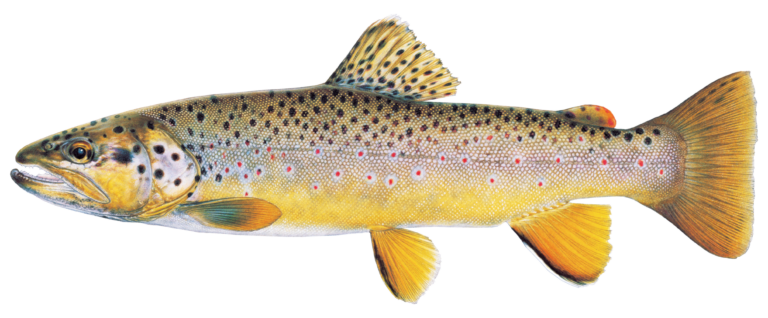
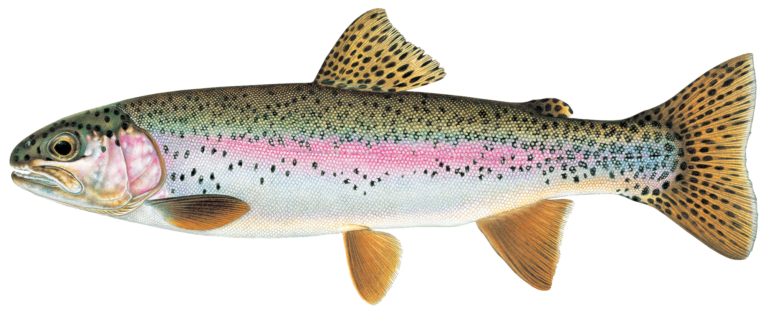
Flowing east from the Green Mountains, the White River drains an area of more than 700 square miles, making it the fourth largest watershed in Vermont. This is wild trout water, the system’s freestone pools, riffles and runs bursting with brook, brown and rainbow trout. Public access to the White and its headwaters tributaries is excellent. The only major river in Vermont that is free of dams, this Connecticut River tributary will provide critical thermal resilience in a warming climate so warrants careful protection.
-
Upper Connecticut / Nulhegan
Vast amounts of forestland are crisscrossed by native brook trout streams within this region. Many show impacts from long-ago logging practices, including reduced natural recruitment of wood into streams and streams that were scoured of natural habitat by log drives. TU will continue its longstanding partnerships with landowners and the Vermont Department of Fish and Game to add habitat and increase connectivity to priority streams, work that is already leading to significantly increased trout populations in treated sections.
-
Hoosic
The Hoosic is a sleeper wild trout fishery known among its fans for producing trophy browns. It holds some wild brook trout, too. TU’s efforts in the watershed focus on several dams that segment the river and that also contribute to higher stream temperatures in warmer months. As those problematic barriers are removed, the Hoosic has the potential to be one of the region’s top wild trout fisheries.
Stories


