Wyoming

Overview
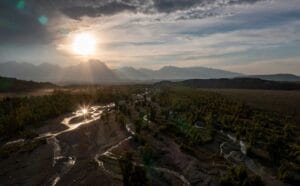
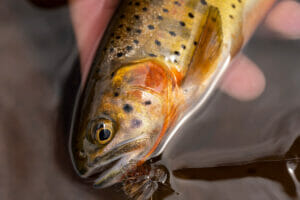
Wyoming’s rugged landscape is home to dramatic mountain peaks, plentiful wildlife, wide open spaces, and legendary coldwater rivers and streams. These waters, which include the Yellowstone, the Snake and Salt, the Bear, the Platte and the Green, are not only an integral part of Wyoming’s identity but are also the headwaters of our nation’s major river systems. Wyoming’s public lands and cold streams provide essential habitat for native cutthroat trout. But habitat fragmentation and degradation, climate change, and non-native species present significant challenges to the state’s rivers and its wild and native trout. To safeguard their future, Trout Unlimited staff, volunteers, and partners are reconnecting streams, restoring habitat, and recovering trout populations across the state.
Fish We're Protecting
Threats & Opportunities
Earlier runoff, drier watersheds, and warmer stream temperatures are having a negative impact on Wyoming’s waters. These impacts will cause additional strain on cutthroat populations, with less connected river systems and degraded habitat. Increased agricultural and municipal water use and development continue to threaten the health of these important coldwater habitats. Federal, state, and foundation investments in recovering healthy rivers and thriving cutthroat populations provide an opportunity.




What We're Accomplishing
Restoring the Snake River Headwaters:
TU and partners have secured over $5.5 million dollars for Snake River restoration projects since 2022. We have also reconnected more than 50 miles of streams, restored 16.6 miles of degraded habitat restored to support healthier fisheries, and completed 19 local river and stream projects. Partners for these efforts include Jackson Hole Trout Unlimited, Teton Conservation District, Wyoming Water Water Development Commission, Wyoming Wildlife and Natural Resources Trust, Wyoming Game and Fish, and Bridger-Teton National Forest.
Protecting America’s First Ranger Station:
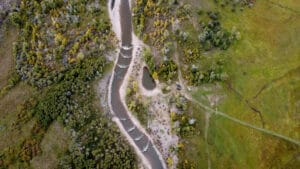
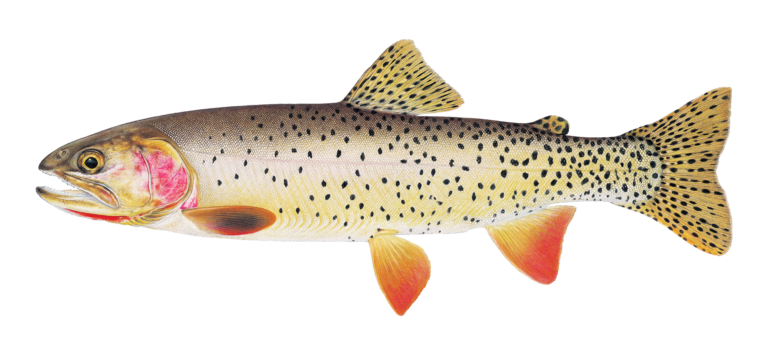
TU has partnered with the Shoshone National Forest to improve and enhance aquatic, riparian and wetland habitat and improve floodplain systems and functions on the North Fork Shoshone River near the Wapiti Ranger Station, west of Cody, Wyoming. Large wood design techniques will be utilized to improve streambank stability, which will minimize risk to historical and recreational infrastructure, while also providing important aquatic habitat for Yellowstone Cutthroat Trout and other wild trout populations. Primary construction was completed in January 2026 and remaining seeding/revegetation is planned for fall 2026. Partners included the East Yellowstone Chapter of Trout Unlimited, Greater Yellowstone Coordinating Committee, National Fish and Wildlife Foundation, Shoshone National Forest, USDA Resource Advisory Committee, U.S. Forest Service, Wyoming Department of Environmental Quality, Wyoming Game and Fish Department, and Wyoming Wildlife and Natural Resource Trust.
Collectively, TU and partners have secured over $7 million and reconnected over 50 miles of the Yellowstone River and its tributaries since 2022.
Creating a Vision and Restoration Program for the Salt River:
The Salt River Watershed Group (SRWG) was established in 2022 with financial support from Bureau of Reclamation. SRWG brings together local, state, and federal agencies, landowners, ranchers, irrigators, anglers, and various other stakeholders to address watershed issues and partake in watershed restoration planning. Since then, TU and partners have secured over $3.5 million for this watershed, resulting in the restoration of 7.6 miles of tributaries to the Salt. Fish passage projects have also reconnected 3.3 miles of the river.
Reviving the Bear River Cutthroat Trout:
For more than two decades TU’s on-the-ground staff have been offering win-win solutions to the dueling needs of fish and people on the Bear. With private, state and federal funding—including recent critical investments from the U.S. Forest Service, Natural Resources Conservation Service, and the U.S. Fish & Wildlife Service—TU and partners have completed over a hundred projects that have reconnected, restored and rebuilt hundreds of miles on the Bear River and its tributaries. These projects remove barriers to migration, re-meander streams and enhance water quality.
Most recently, for example, TU and partners rebuilt 12 irrigation diversions along the Upper Bear River to restore fish passage to over 30 miles of river. Over $2.7 million has been secured for these restoration efforts in Wyoming since 2022.
Restoring the Headwaters of the Colorado River:
Since 2022, TU and partners have reconnected 50+ stream miles reconnected and restored 1.9 miles of stream habitat in the Green River Basin. Over $19 million was secured to support this work, which led to significant improvements across the Basin. Our Henry’s Fork River Fish Passage project, for example, improved 15 irrigation diversions and reconnected dozens of miles of native Colorado River cutthroat trout habitat. Additionally, we’ve built hundreds of low-tech restoration structures across places like Sage Creek and Muddy Creek to slow down water, reconnect the stream to its floodplain, reduce water temperatures, and create trout habitat. Collectively, these projects help hold water on the landscape longer, a critical outcome for trout in dry years.
How You Can Help


Wyoming Conservation Team
Leslie Steen
Wyoming State Director
leslie.steen@tu.org
Wyoming State Director
leslie.steen@tu.org
Priority Waters
-
Bear River Basin
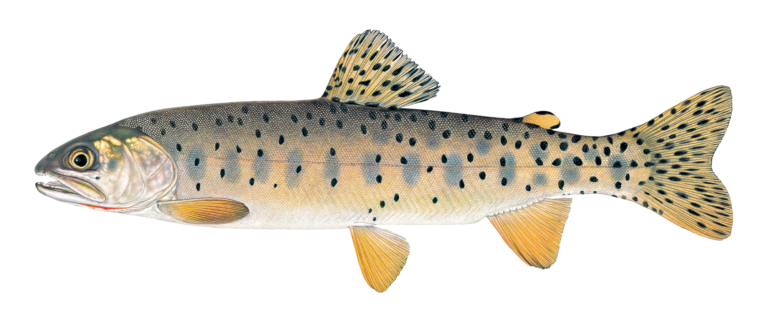
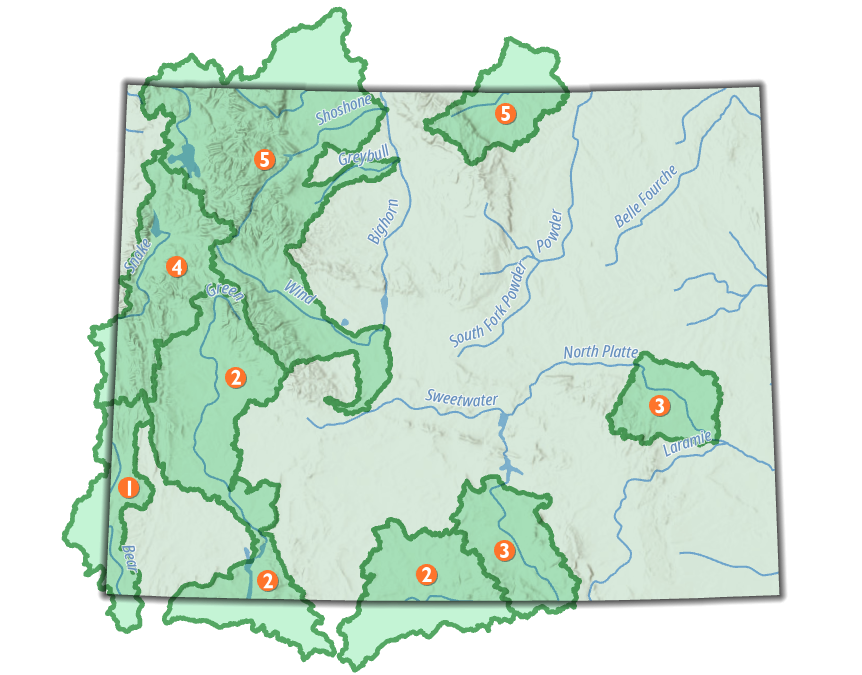
In the Bear, home to the Bonneville cutthroat trout, we are reconnecting waters to improve native trout migration, restoring in-stream habitats using low-tech approaches like beaver dam analogues, protecting riparian areas, and removing or replacing barriers to fish passage, including dams. This Priority Water includes the Upper Bear and Central Bear subbasins.
-
Green River Basin
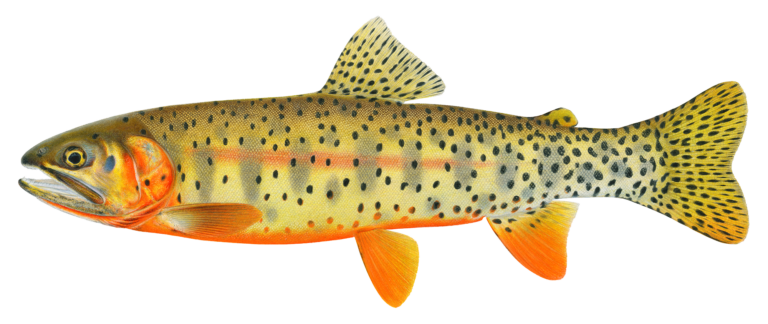
Including the Upper Green, New Fork, Upper Green-Slate, Flaming Gorge Reservoir, Muddy, and Little Snake subbasins, this area is critical for Colorado River cutthroat trout. Here, we are reconnecting and restoring habitat, improving watershed health, and building a growing water-leasing market to provide higher late-season flows for native fish populations.
-
Platte River Basin
The Platte, including the Upper North Platte and Glendo Reservoir subbasins, is home to wild trout and other native fish and wildlife. Water development, climate change, and drought are a threat. TU is working to reconnect wild trout habitat and improve water quality.
-
Snake and Salt River Basins
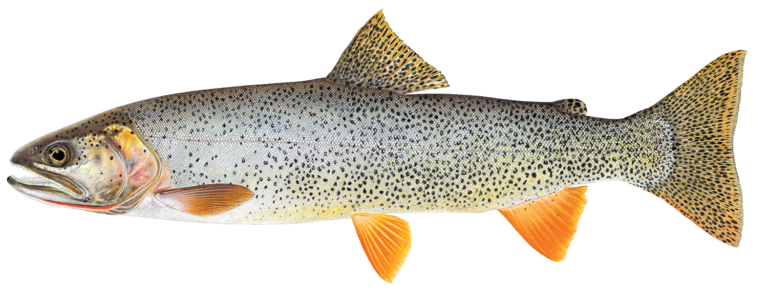
We work with local, state, and federal partners in the Snake Headwaters Gros Ventre, Greys-Hoback, and Salt subbasins to reconnect and restore habitat for the Snake River cutthroat trout, improve the health of the watershed, and increase coordination around watershed priorities. Since the Snake River Headwaters Initiative launched in 2016, more than 36 miles of stream have been reconnected, and $9.2M invested in the watershed.
-
Yellowstone River Basin
Including the Yellowstone Headwaters, Clarks Fork, North Fork Shoshone, South Fork Shoshone, Shoshone, Greybull, Upper Wind, Little Wind, and Upper Tongue subbasins, this watershed is home to Yellowstone Lake and the Yellowstone cutthroat trout. We are working to protect and restore Yellowstone cutthroat populations by reconnecting stream habitat, restoring water quality and ecosystem diversity, and, with partners, monitoring and reintroducing native cutthroat populations.
Stories